Star Wars: The Mandalorian and Grogu - Film Review - SPOILERS
Mando & Grogu: James Bond meets the Muppets
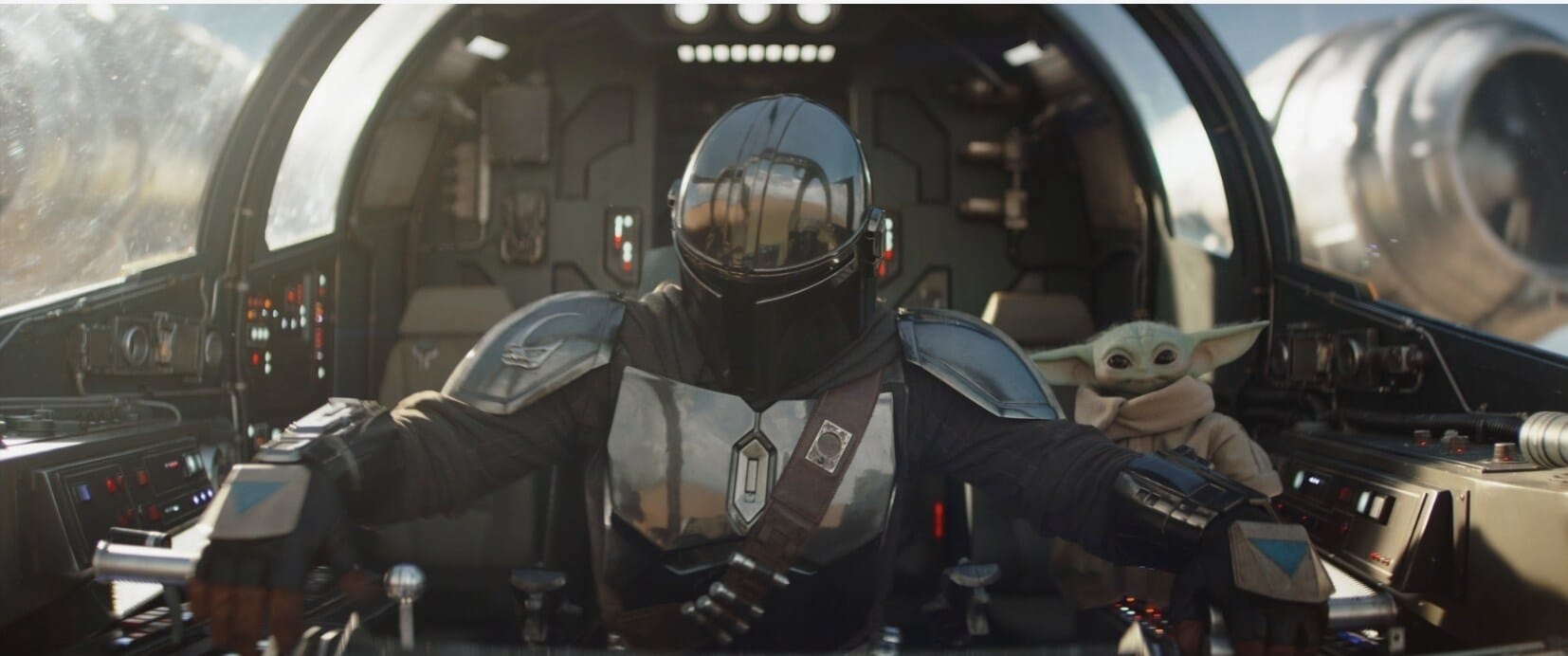
Continuing from 2023's Season 3, the taciturn Mando and his equally silent apprentice, Grogu, are bounty hunting on behalf of the New Republic, tracking down Imperial warlords who now operate as glorified gangsters in the Outer Rims. The film opens up with our two heroes taking down a warlord, showcasing Din Djarin's increased lethality as he slays scores of stormtroopers and takes out multiple AT-AT walkers in a snowy Imperial fortress. Grogu, still an adorable puppet, also shows his confidence by assisting Mando with his Force abilities.
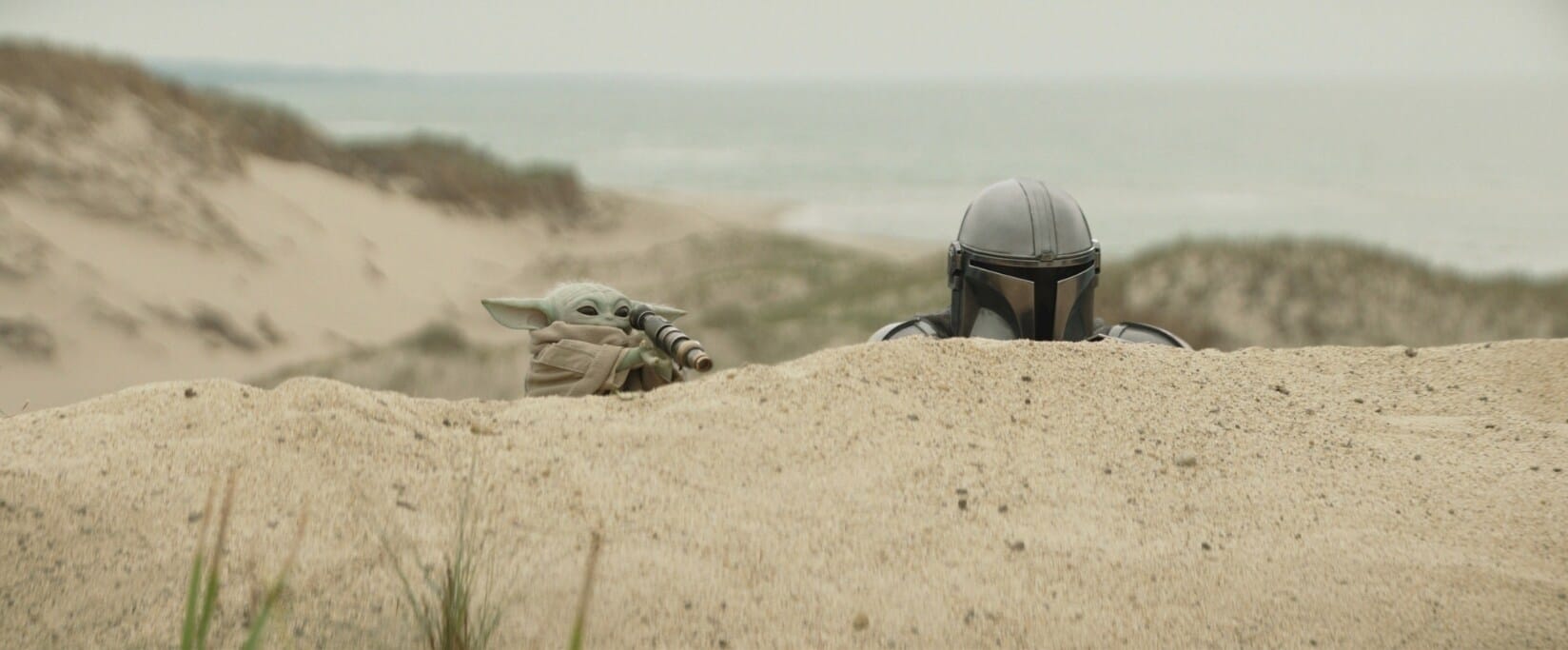
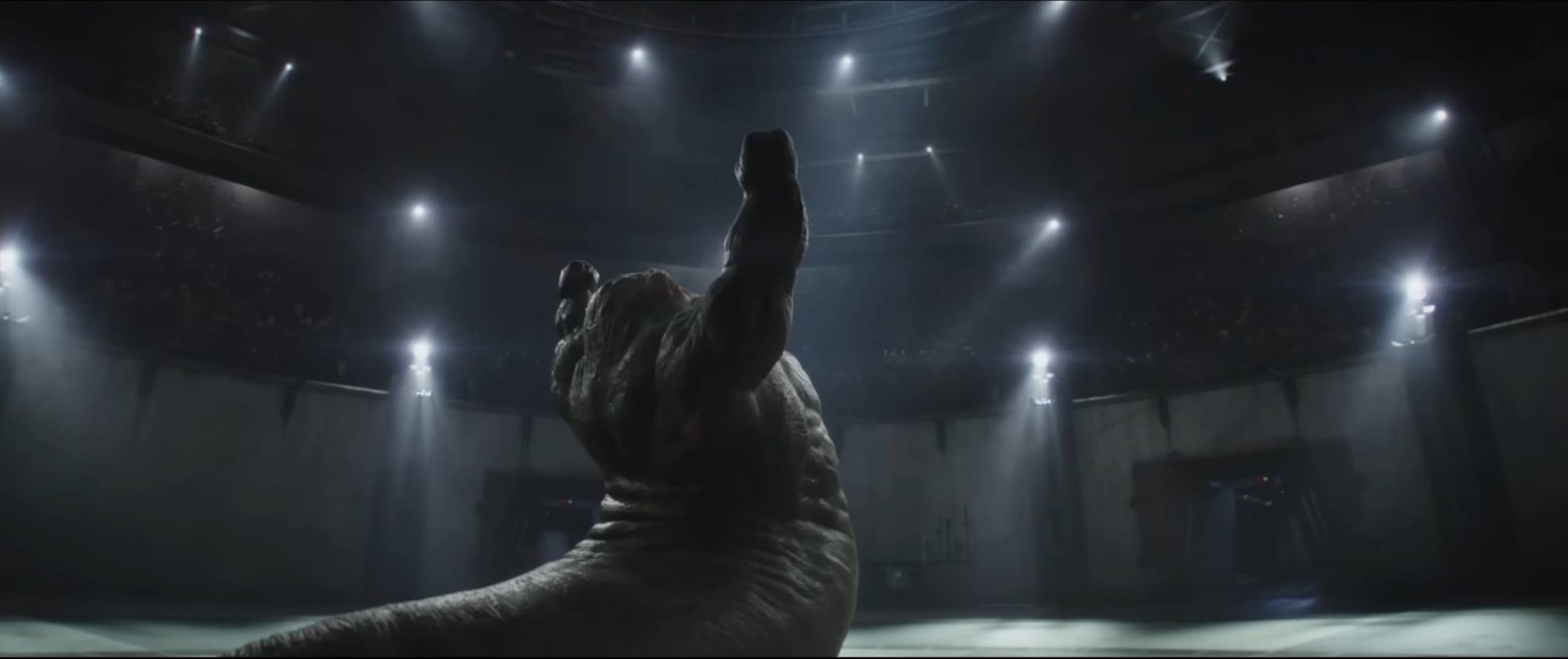
After the James Bond-esque pre-title action sequence, the film's true plot kicks in. Colonel Ward (Sigourney Weaver) tasks the duo with a rescue mission to free Jabba the Hutt's son, Rotta the Hutt (also known as Stinky in Dave Filoni's Star Wars: The Clone Wars (2008)), on behalf of Jabba's cousins, the Hutt Twins, who possess information on an enigmatic Imperial warlord, Commander Coin. This is The Mandalorian half of the film, filled with multiple action sequences, including an inspired gladiatorial combat sequence in which Mando and Rotta team up to battle real-life renditions of the Holochess monsters from 1977's A New Hope. Less inspired is a slow-moving "car" chase where Mando is pursued by stormtroopers in Cadillac-inspired land speeders, recalling The Book of Boba Fett's awful "Mod" scooter/speeder bike chase.
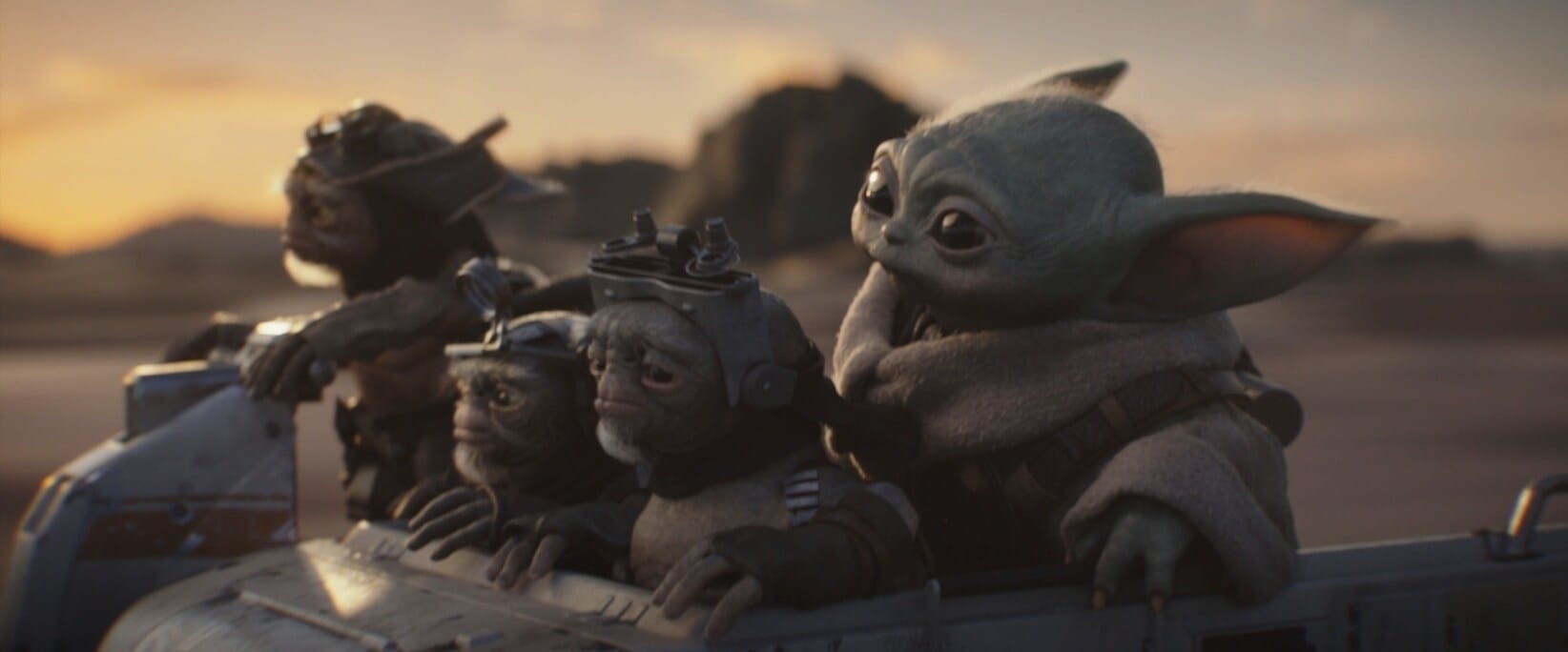
The second half of the film is Grogu's time to shine. Having fallen afoul of the Hutt Twins, Mando is subdued and kidnapped by the rival bounty hunter Embo (another Dave Filoni-created animated character brought to life). Grogu gears up in a montage ala Gizmo from Gremlins 2: The New Batch (1990) and flies off with fellow puppets Babu Frik and some other Anzellans (I want to call them Friks, or is it Freeks?) to the swamp planet of Nal Hutta, reminiscent of Yoda's hideaway, Dagobah. Grogu has to protect and care for a poisoned, dying Mando. This sequence occurs in the middle of the film. It is probably the most daring section by the filmmakers, having a mostly silent episode filled with puppeteering and other creatures, channeling Jim Henson puppet films.
The charmingly peaceful section doesn't last long as Mando recovers and the two eliminate the Hutts and their droid army in an explosive battle sequence complete with an X-Wing aerial assault.
A Modern Day Movie Serial
It is well-known Star Wars lore that George Lucas was inspired by movie serials from Republic Pictures and Universal Pictures, such as Flash Gordon (1936-1940) and The Fighting Devil Dogs (1938). For better or worse, The Mandalorian and Grogu brings the Star Wars franchise full circle as its own movie serial. The film is a self-contained story with no references to the Skywalker clan or saga, no fan-service cameos from C-3PO and R2-D. It mercifully doesn't feature any cameos or a post-credits scene that promote the ever-expanding Filoni-verse as portrayed in Season 2 of The Mandalorian. The downside is that there isn't further character development of Mando, or an expansion of his dogmatic beliefs, "This is the Way". Grogu does get some character development, having to fend for himself and take care of his surrogate father. This is the most expressive the puppet has ever been, able to convey emotions such as shock and awe, but there was a missed opportunity for final pathos by having him finally speak.
"Are You Not Entertained?"
After Grogu, the emotional core of the film surprisingly belongs to Rotta the Hutt, who fights in the arena to be his own man/slug being and to escape his reputation as the son of the crimelord Jabba. Rotta is voiced by Jeremy Allen White from the TV series The Bear (2022-2026), but you wouldn't know it, as his voice is so heavily modulated and pitched down that you barely hear his distinct, higher-pitched, raspy tone, which begs the question: why even cast him in the role? Perhaps his natural voice was so incongruent with the physicality and shape of Rotta. The filmmakers could have cast a voice actor with a naturally deep voice, such as Kevin Michael Richardson, who is also capable of playing younger characters (and incidentally, played Jabba in the Clone Wars TV show). Or perhaps, in keeping with the Mando tradition of casting film directors in roles, they should have cast Guillermo del Toro as Rotta.
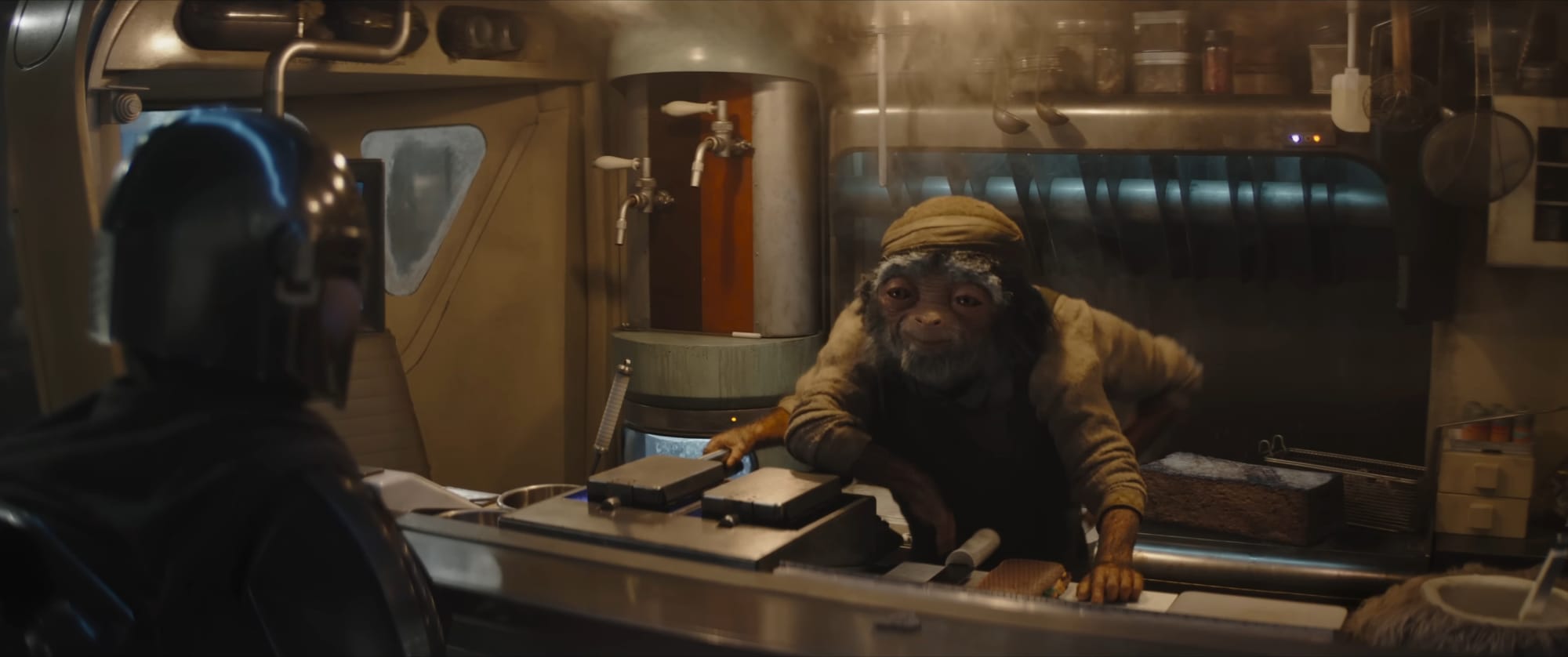
Speaking of which, the best performance in the film goes to filmmaker Martin Scorsese, who voices Hugo Durant, a nervy, four-armed alien working in a food truck who reluctantly provides information to Mando. Scorsese imbues his signature mile-a-minute patter, while the animators include his iconic bushy eyebrows in the sloth-like creature's design.
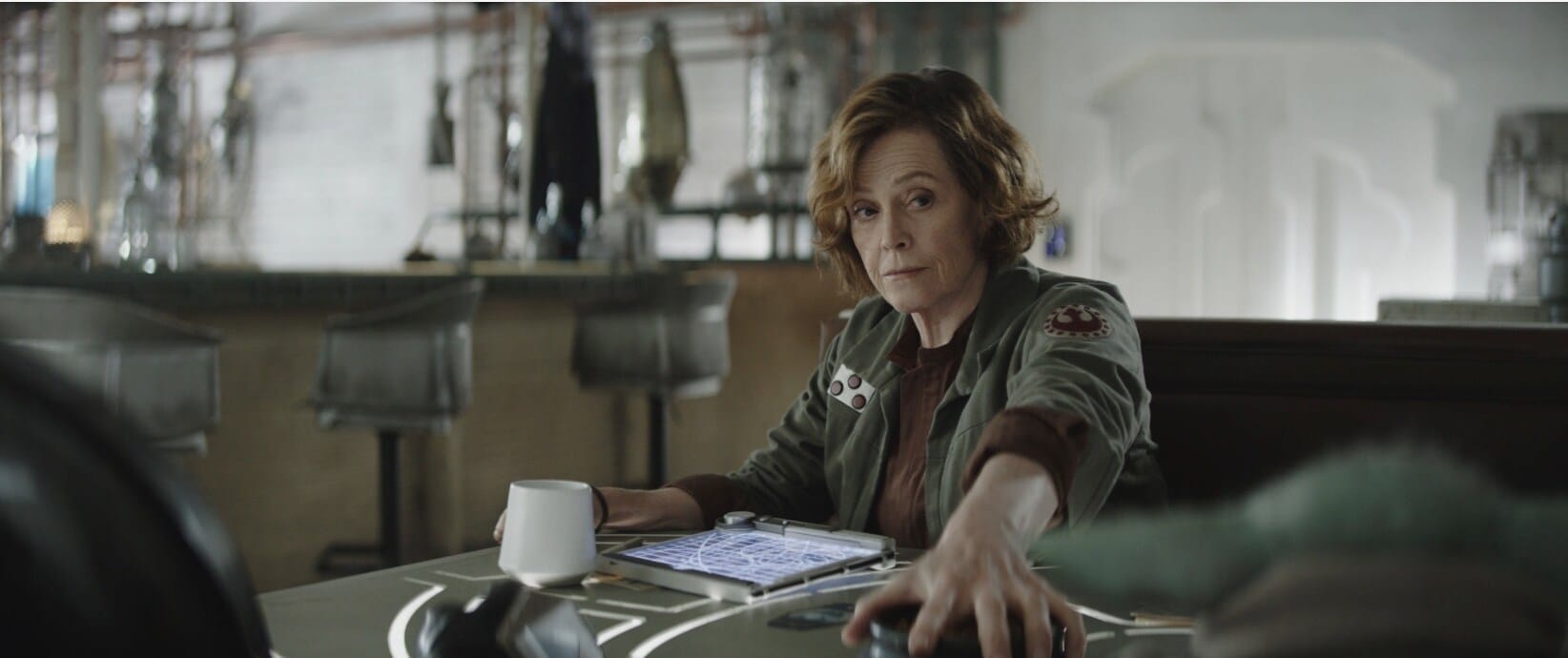
Despite being all over the film's marketing, including hosting a sit-down interview with Pedro Pascal and Grogu, Sigourney Weaver gives a tired, disinterested performance. Maybe she was trying to emulate Mando's cadence? After three seasons with an adorable puppet, you would think that Din Djarin would soften up a little and maybe be a bit more jokey or affable?
The Old Techniques Wow the Young
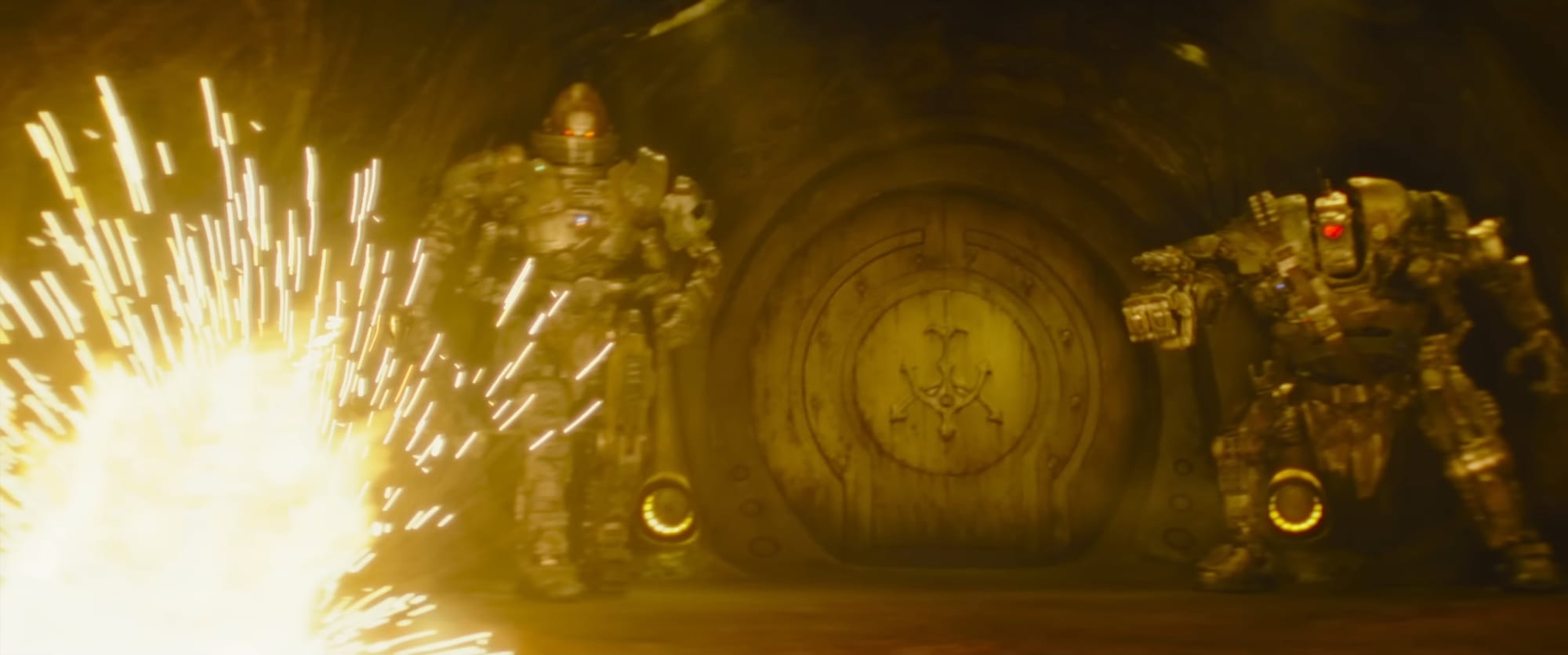
Having been brought to the big screen, The Mandalorian has never looked shinier. As a Star War, it contains the requisite amount of VFX by ILM, but a special mention should be made of the film's use of stop-motion by Phil Tippett's studio. In the final climactic battle, Mando and Grogu face off against two towering battle droids, robotic nightmares clearly designed by the Mad God (2021) animator and director.
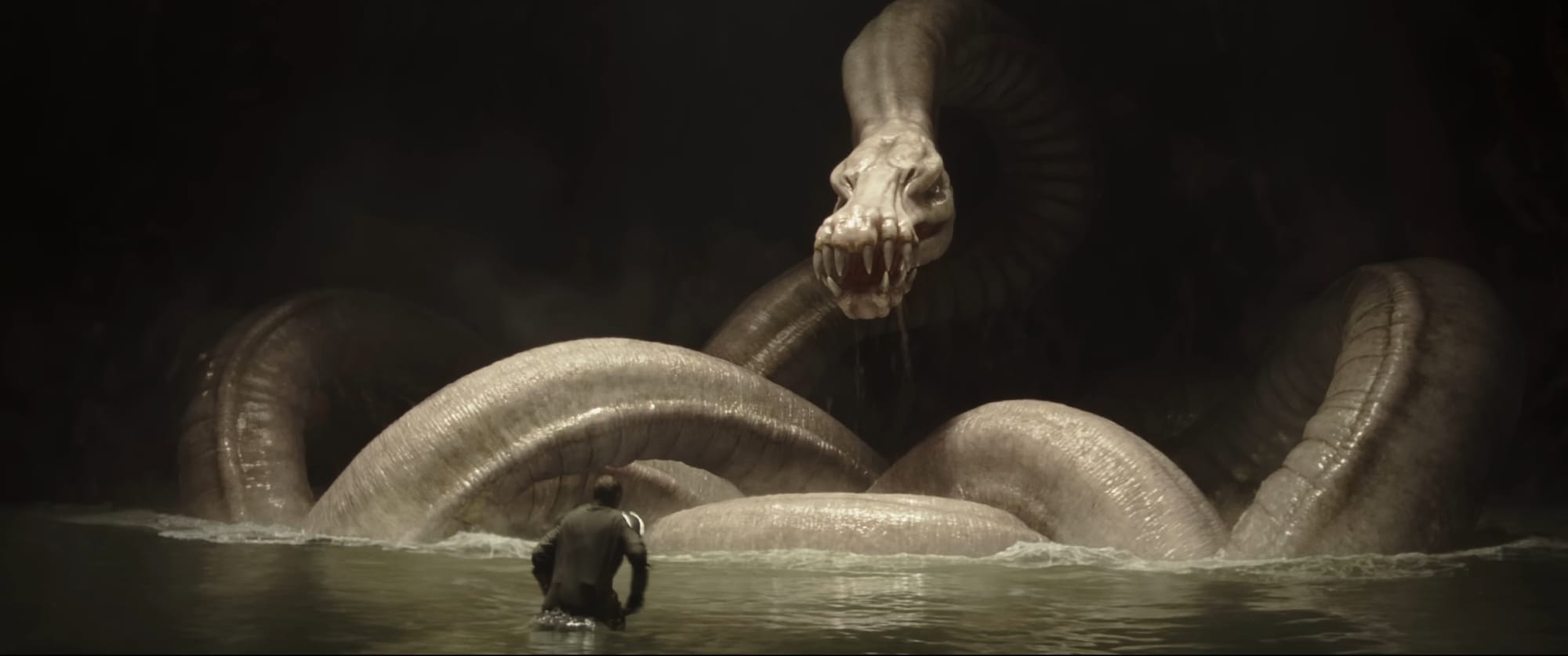
Visually, the film looks fine, with cinematography by David Klein, A.S.C., who had previously shot episodes of The Mandalorian and Book of Boba Fett. It continues the show's digital look; another missed opportunity to differentiate the film from the show would have been to use Kodak film stock, as was done on the sequel trilogy. I feel like a signature feeling of Star Wars is having moments of awe and wonder. The Mandalorian and Grogu have few, but a standout image was of Din Djarin facing off against a white Dragonsnake. The lighting and composition made it feel like a piece of concept art come to life.
Then the Young Techniques Wow the Old
Another special mention goes to the return of the original Mandalorian composer Ludwig Göransson. In addition to repeating the show's iconic theme, he introduces something new. Breaking with Star Wars film tradition, Göransson uses synth music with dubstep notes as Mando and Grogu stalk the streets of the Blade Runner-esque city on the Moon of Shakari. After Nicholas Britell's and Brandon Roberts' dance numbers on Andor (2022-2025), I think future Star Wars titles deserve to experiment with all synth soundtracks! The rest of Göransson's score is propulsive and percussive, perfectly matching the onscreen action.
"This is the Way..."
Despite my nitpicks, the film is an enjoyable experience. Without being weighed down by the baggage of the Skywalker saga, much like Rotta, The Mandalorian and Grogu can be their own entity. Jon Favreau and Dave Filoni, while not reaching the mythic heights of the Original Trilogy, deliver an entertaining romp that embraces the weirdness of the Outer Rim. I look forward to the next installment of the Galactic Duo, whether it be on the big or small screen, and remain hopeful for this new era of films about a Galaxy Far, Far Away.